
Building a Modern CI/CD Infrastructure: From Vision to Execution
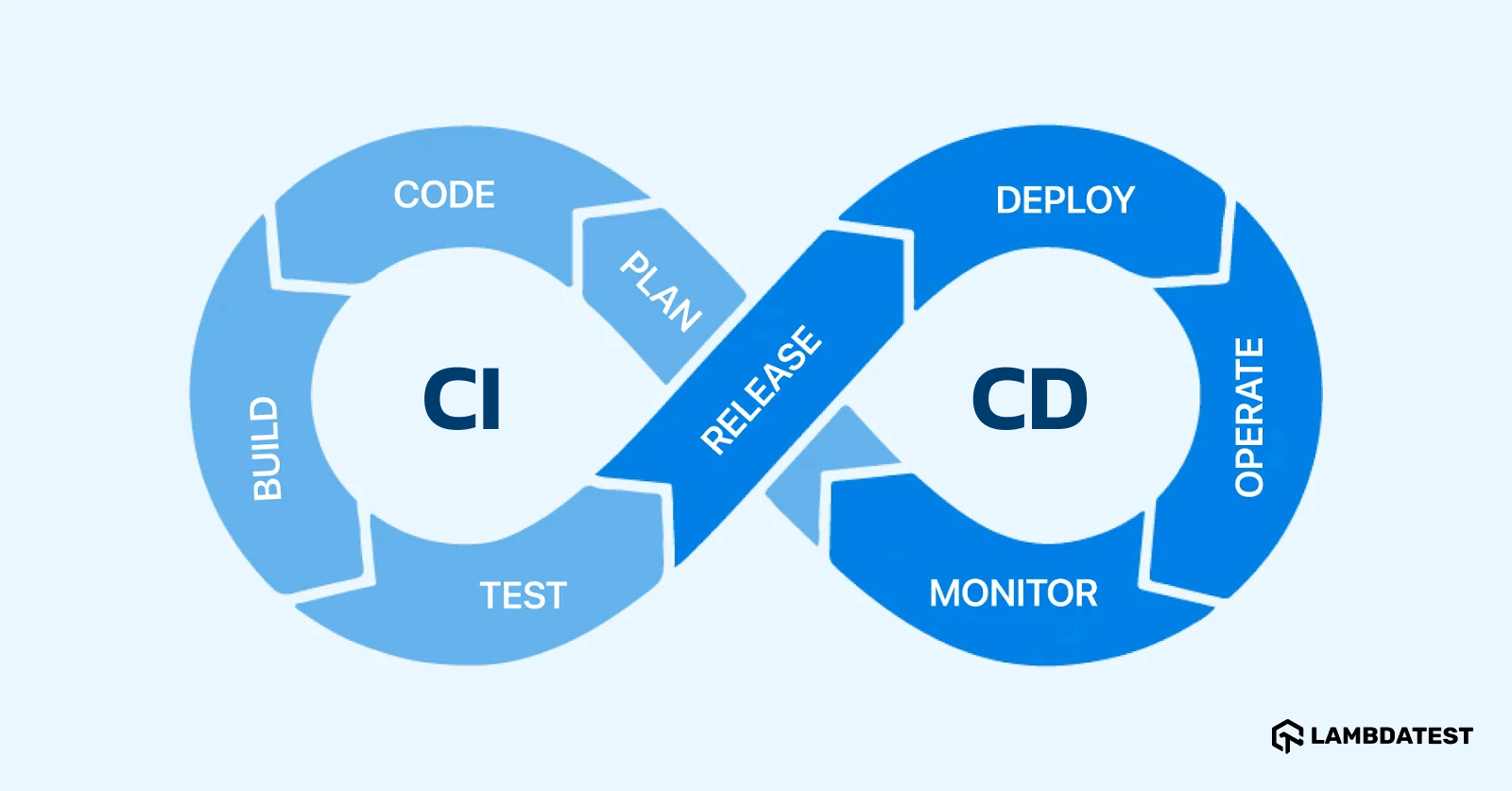
In today’s fast-paced digital landscape, delivering software efficiently and reliably is paramount. Continuous Integration and Continuous Deployment (CI/CD) have become essential practices for modern software development. In this article, we’ll explore the key components and best practices for setting up a robust CI/CD infrastructure that aligns with the demands of contemporary development workflows.
The Foundation: Version Control and CI/CD Tools
At the heart of any CI/CD pipeline lies a reliable version control system. Git, coupled with platforms like GitHub or Bitbucket, serves as the cornerstone for tracking changes and collaborating effectively.
For orchestrating the CI/CD processes, tools like GitHub Actions and Jenkins offer flexibility and scalability. GitHub Actions, in particular, provides seamless integration with GitHub repositories, enabling automated workflows triggered by code changes.
Infrastructure as Code: Terraform and Ansible

Managing infrastructure manually is error-prone and inefficient. Infrastructure as Code (IaC) tools like Terraform and Ansible allow us to define and provision infrastructure declaratively.
-
Terraform: Ideal for provisioning cloud resources across providers like Azure, AWS, or GCP. It enables consistent and repeatable deployments.
-
Ansible: Excellent for configuration management, allowing us to automate the setup of servers, deploy applications, and manage system configurations.
By leveraging IaC, we ensure that our infrastructure is version-controlled, auditable, and replicable across environments.
Containerization and Orchestration: Docker and Kubernetes

Containers have revolutionized the way we build and deploy applications. Docker allows us to package applications with their dependencies, ensuring consistency across environments.
For orchestrating containers, Kubernetes stands out as the de facto standard. It automates deployment, scaling, and management of containerized applications.
Implementing Kubernetes clusters (e.g., Azure Kubernetes Service – AKS) provides a robust platform for running microservices architectures, enhancing scalability and resilience.
Monitoring and Observability: Prometheus, Grafana, and ELK Stack
Monitoring is crucial for maintaining the health and performance of applications.
-
Prometheus: A powerful tool for collecting and querying metrics.
-
Grafana: Provides rich visualizations and dashboards for metrics collected by Prometheus.
-
ELK Stack (Elasticsearch, Logstash, Kibana): Offers centralized logging, enabling efficient log aggregation, analysis, and visualization.
These tools collectively enhance observability, allowing teams to detect issues proactively and maintain system reliability.
Security and Quality Assurance: SonarQube and Checkmarx
Integrating security and quality checks into the CI/CD pipeline is vital.
-
SonarQube: Analyzes code quality, detecting bugs, code smells, and security vulnerabilities.
-
Checkmarx: Focuses on static application security testing (SAST), identifying security flaws early in the development process.
Incorporating these tools ensures that code meets quality standards and is secure before reaching production.
Artifact Management: Azure Artifacts and Container Registry

Managing build artifacts and container images is streamlined with tools like Nexus, Azure Artifacts and Azure Container Registry.
Azure Artifacts: Provides integrated package management for Maven, npm, NuGet, and more.
Azure Container Registry: Offers a secure and scalable registry for storing and managing Docker container images.
These services facilitate efficient storage and retrieval of artifacts, supporting continuous delivery practices.
Conclusion
Establishing a modern CI/CD infrastructure involves orchestrating various tools and practices to achieve seamless software delivery — By embracing version control, automation, containerization, observability, security, and artifact management, organizations can enhance their development workflows, reduce time-to-market, and maintain high-quality standards.
Implementing these components requires careful planning and execution, but the benefits of a robust CI/CD pipeline are well worth the investment.
Note: This article is based on current best practices and tools as of 2025. Always consider your organization’s specific needs and constraints when designing your CI/CD infrastructur

Solution Architect with 10+ years of experience across full-stack development, DevOps, and enterprise software design. Expert in building scalable architectures, CI/CD pipelines, and internal developer platforms using tools like GitHub Actions, Terraform, Kubernetes (AKS), Azure, and Prometheus. Strong hands-on background in Java, Spring, Node.js, and event-driven systems (Kafka, Mulesoft). Passionate about developer experience, software quality, and platform engineering